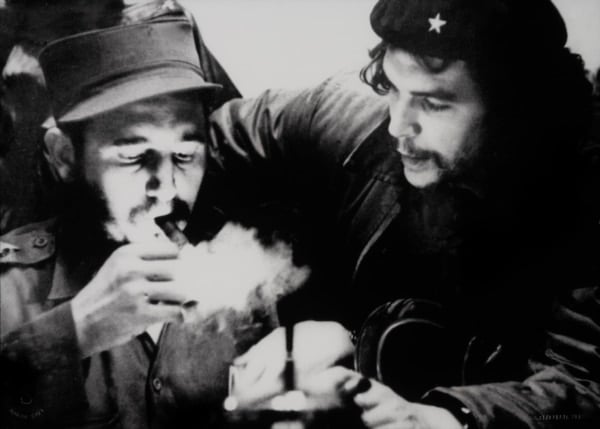
Osvaldo Salas, widely recognized as one of the world’s great press photographers, was born in Havana, Cuba in 1914. At the age of fourteen, he left Havana with his parents and immigrated to New York. After several odd jobs at Madison Square Garden, Salas began taking pictures for an international boxing association that had the major champions of the time under contract. By the end of the war, Salas had fallen in love with photography and he won his first award in 1947. As a publicity photographer, his work was published in Life magazine as well as The New York Times.
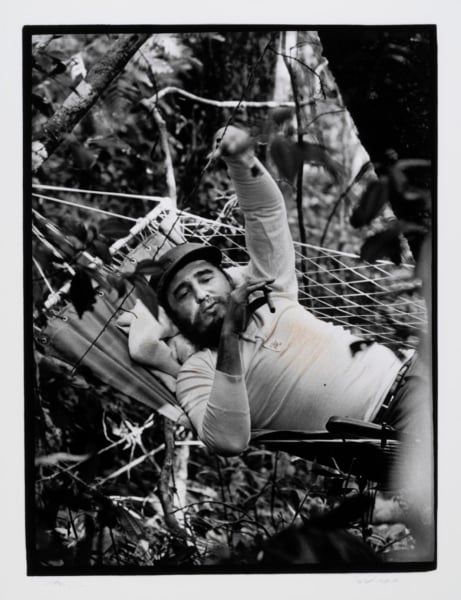
When Fidel Castro visited the United States in 1955 to raise funds for the revolution, Salas was assigned to photograph him in New York City. After several visits to Salas’ studio, Castro invited him and his son Roberto to Havana. Salas and his son became Fidel’s semi-official photographers and worked for the government newspaper Revolución. For several years, Salas traveled between his studio in New York and the harsh reality of the Cuban revolutionaries in the mountains of the Sierra Maestra.
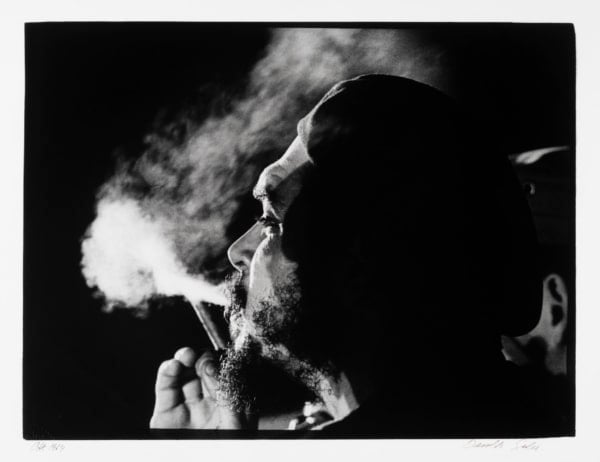
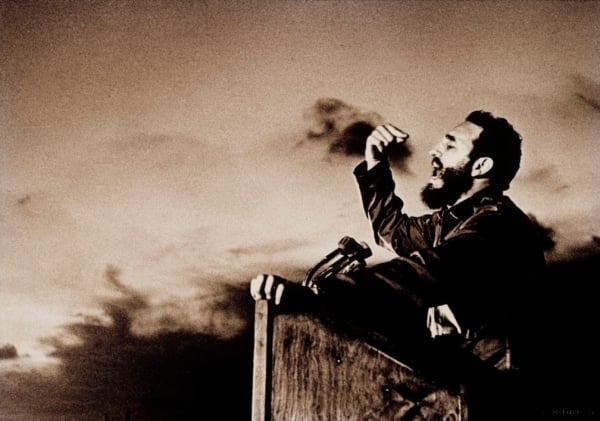
A strong supporter of the Revolution, Osvaldo finally returned to Cuba two days after the victory in 1959, and lived there for the remainder of his life. His stylistic images expertly communicate Cuba’s evolving cultural, social and political realities.
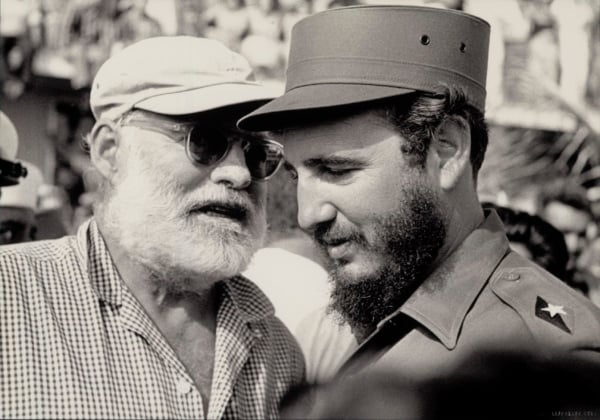
Osvaldo’s son Roberto Salas was born in New York City in 1940. His photographic journey began in his father’s studio where he would lend a helping hand after school. At the age of 15, Roberto left school and followed in his father’s footsteps to become one of Cuba’s most successful photographers. Roberto Salas has documented the revolution from the Sierra Maestra to the Bay of Pigs, as well as the only known meeting between Castro and Ernest Hemingway. He served as a U.N. correspondent and war correspondent in southeast Asia, including Cambodia and Vietnam, spending a year behind Vietcong lines. Osvaldo’s work is managed by Roberto since his father’s passing.